XINING, China – Terengganu Cycling Team (TSG) wrapped up its campaign at the 25th Tour of Magnificent Qinghai 2026 with a performance defined by resilience and determination after overcoming one of the toughest races on the UCI ProSeries calendar.
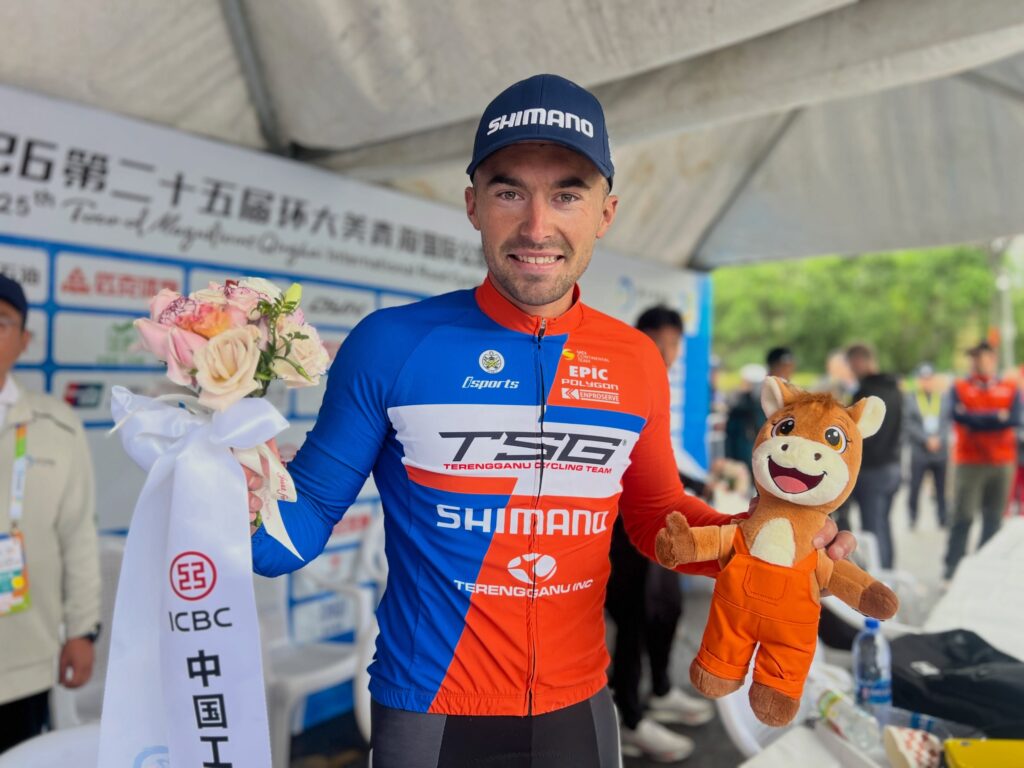
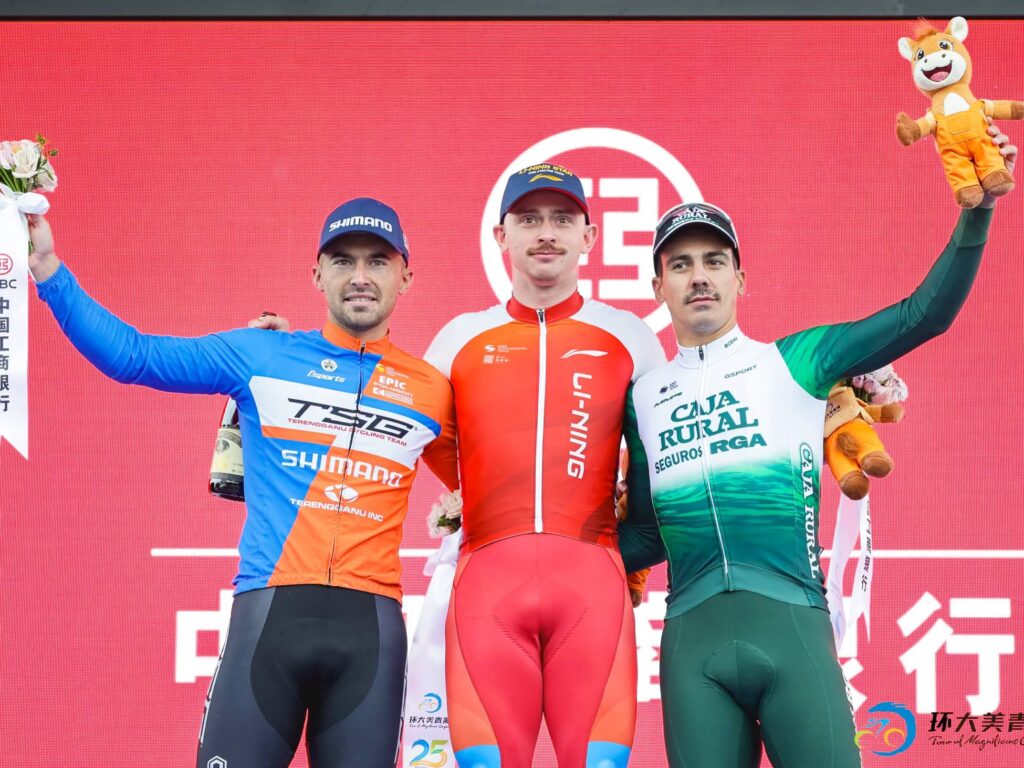
TSG made an immediate statement on the opening day when French sprinter Pierre Barbier powered to third place in Stage One, delivering the team’s first podium finish of the race against a highly competitive international field featuring UCI ProTeams and leading Continental teams.
The encouraging start, however, marked only the beginning of a far sterner challenge.
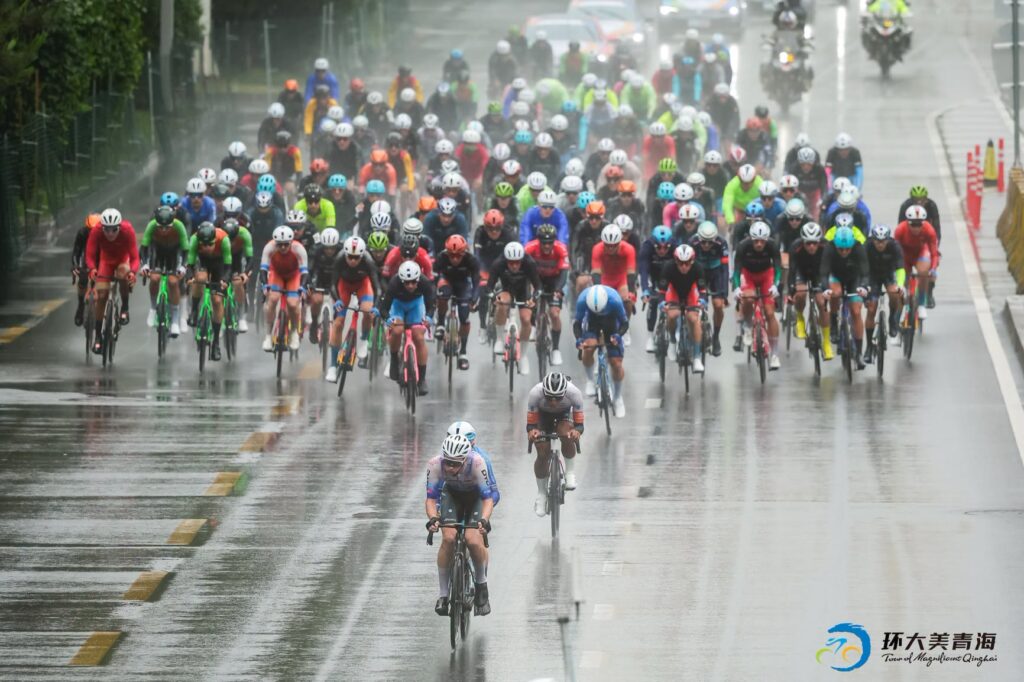
As the race headed deeper into Qinghai Province, the terrain became increasingly unforgiving. The flat roads gave way to long mountain ascents at elevations exceeding 3,000 metres, where the thinner air significantly reduced oxygen levels and placed riders under constant physical stress. Combined with unpredictable weather, freezing temperatures and relentless climbing, the race quickly became a battle of endurance as much as speed.
TSG’s hopes of further sprint success were dealt a setback when Barbier was forced to abandon the race during Stage Three. From that point, the team’s focus shifted towards supporting its climbers through the demanding mountain stages.
New Zealand rider Zeb Kyffin emerged as TSG’s standout performer, producing a string of consistent rides as the race became increasingly selective. After finishing 34th on the opening stage, Kyffin steadily moved up the field with finishes of 32nd, 17th, 26th and 19th before adding 27th and 41st in the closing stages, proving his ability to remain competitive under some of the harshest racing conditions of the season.

Danish climber Mathias Bregnhøj also grew stronger as the race progressed. Having opened with 109th place, he improved through every mountain stage before recording 50th on Stage Five and an impressive 25th place on the final stage, reflecting both his endurance and ability to recover throughout the week.
While the results sheet only records finishing positions, it does not fully reflect the contribution of the team’s support riders. James Gardner, Adne van Engelen, Kee Zhe Yie and Muhammad Nur Aiman Rosli spent the opening stages working to protect their team leaders before the cumulative demands of altitude and severe weather took their toll. All four were classified outside the time limit during Stage Five after one of the race’s most punishing days.
The severity of the conditions was further highlighted when organisers cancelled Stage Six because of dangerous weather at the second King of the Mountains (KOM) climb. It was a reminder of why the Tour of Magnificent Qinghai is regarded as one of the most demanding stage races outside the UCI WorldTour.
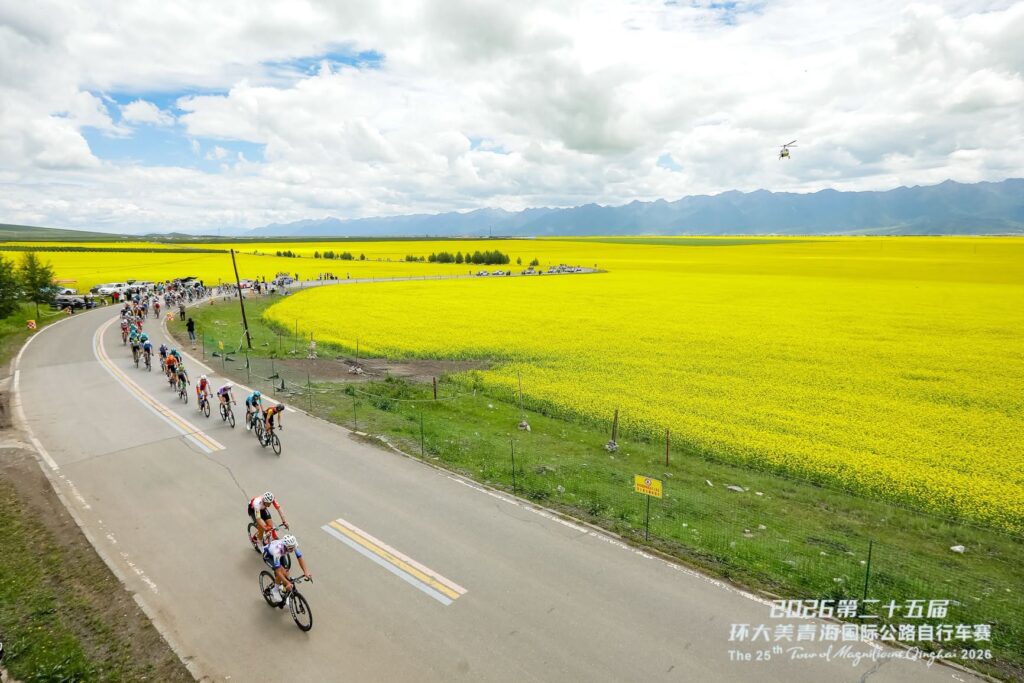
Unlike most professional stage races, Qinghai keeps riders at high altitude for almost the entire event. Racing above 2,500 metres—and regularly climbing beyond 3,500 metres—reduces oxygen availability, making every acceleration, climb and recovery significantly more demanding than at sea level. When combined with long racing distances, repeated mountain passes and rapidly changing mountain weather, simply reaching the finish becomes an achievement in itself.
Although TSG’s campaign was shaped by adversity after its early podium success, the team demonstrated its ability to compete with established international opposition. Barbier’s podium finish, Kyffin’s consistency in the mountains and Bregnhøj’s steady progression across the week reflected a squad capable of matching the demands of elite-level stage racing while gaining valuable experience on one of cycling’s most challenging routes.

